




Within this evolving landscape, executive and senior leadership roles are central to shaping organizational performance, guiding transformation, and ensuring operational excellence. Key positions such as Chief Operating Officer, Chief Executive Officer, Chief Financial Officer, Chief Commercial Officer, and Chief People Officer drive overarching strategy, financial health, commercial direction, and workforce development. Senior operational roles—including Vice President of Operations, Director of Transportation, Director of Logistics & Supply Chain, Director of Fleet Management, and Director of Health, Safety & Compliance—oversee critical components of transportation networks, from fleet utilization and dispatch performance to end-to-end supply chain effectiveness and regulatory adherence. Specialized leadership roles such as Director of Environmental Sustainability, Director of Maintenance Operations, Director of Business Development, and Senior Project Director contribute to areas like emissions reduction, infrastructure management, mechanical reliability, and market expansion.
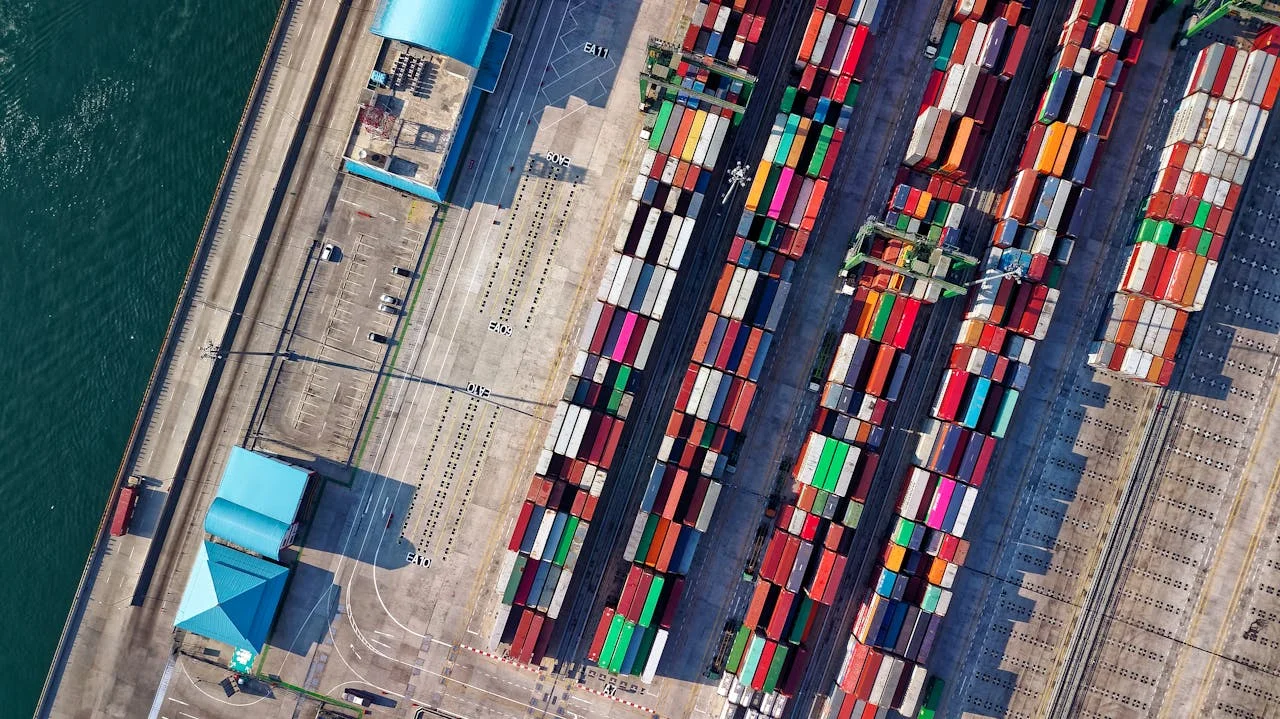
Understanding the different segments of the transportation sector is essential for recognizing how each contributes to economic performance and supply chain resilience. Road transportation supports short-haul and regional movement through commercial trucking fleets, courier services, municipal transit, and specialized carriers, with flexibility and speed making it the dominant mode for domestic distribution. Rail transportation focuses on moving heavy freight—such as lumber, minerals, grain, and industrial products—across long distances, providing a cost-effective solution for bulk movement. Air transportation handles high-value, time-sensitive cargo and long-distance passenger travel, ensuring rapid delivery for medical supplies, electronics, and urgent shipments while supporting global tourism and commerce. Marine transportation moves most of the world’s cargo, including containers, petroleum, automobiles, and industrial equipment, making ports and shipping terminals vital hubs for international trade. Logistics and supply chain services bind all these modes together by managing warehousing, inventory, freight brokerage, route planning, and distribution systems, increasingly enhanced by technology such as telematics and real-time tracking.




For organizations seeking to strengthen their leadership teams, understanding the strategic importance of executive recruitment within this sector is crucial. Rhema Executives brings specialized expertise in identifying and placing leaders who understand both the operational realities and strategic opportunities within transportation. Our approach is built on deep industry knowledge, a retained search model that ensures precision and confidentiality, and a commitment to delivering executives who can elevate fleet performance, enhance safety, optimize logistics, and drive sustainable growth. Whether a company is preparing for expansion, restructuring leadership, navigating transformation, or addressing emerging industry challenges, partnering with Rhema Executives ensures access to the leadership needed to guide transportation organizations successfully into the future.